5 reasons your skiing isn't improving
Votes:
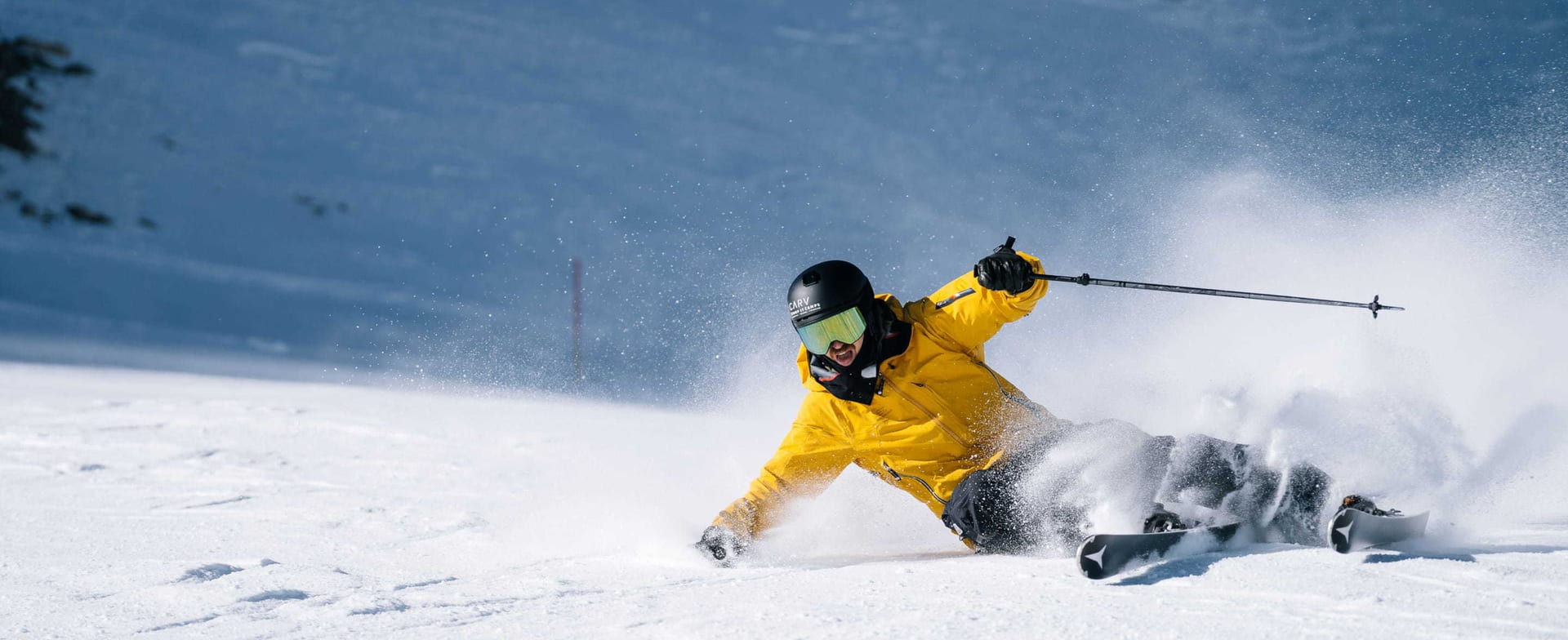
Most skiers don’t stop improving because they lack ability, they stop because their skiing becomes too comfortable.
I know this because it happened to me. I was skiing a lot, carving well, going faster every season, and still hitting the same ceiling.
This isn’t another technical lesson. It’s about the habits that quietly hold skiers back, and the specific changes that helped me replace cruising with purposeful skiing: so every ski day actually makes you better, not just more confident.
Jens Nyström
Jens Nyström is a freestyle skier and founder of Stomp It Camps, where he works with skiers of all levels to move beyond comfort skiing and make real progress on snow.
Reason 1: You’re avoiding challenge
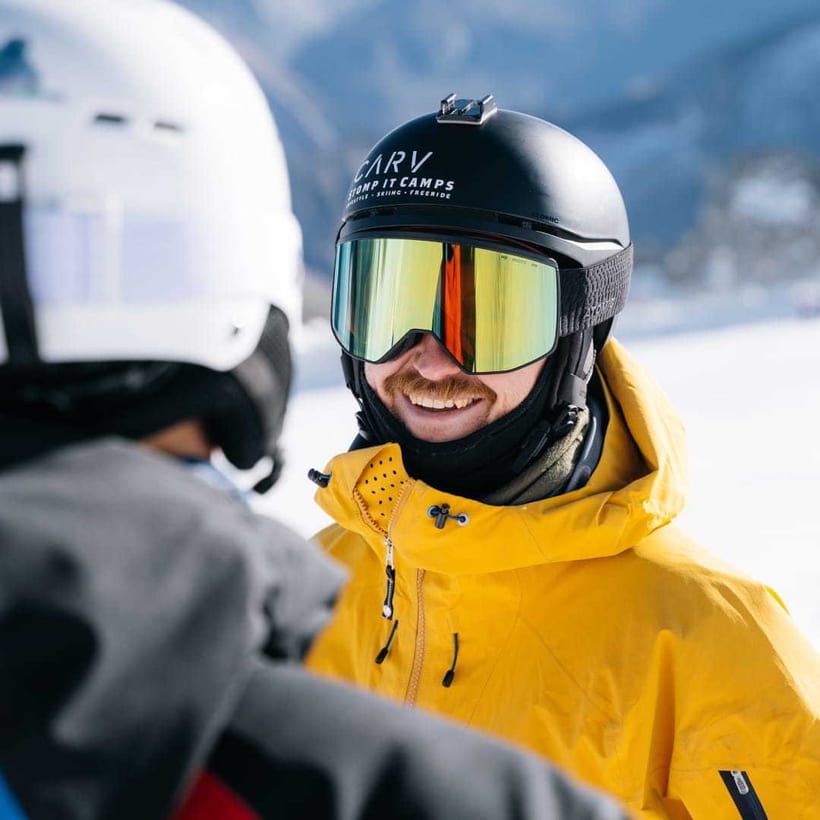
I remember getting comfortable carving on skis. It felt great. I was skiing faster, linking turns cleanly, and feeling confident, and for a while I told myself that meant I was improving.
The truth is, I was getting better at going fast, but extremely slowly better at anything that actually mattered: higher edge angles, more pressure, more dynamic turns. Cruising faster and faster had quietly become a huge barrier to progress.
If you’re cruising, you’re not pushing your limits. You’re not creating real g-forces or those sick-looking edge angles everyone is chasing. You’re just repeating what already works.
Things changed when I stopped chasing speed and started chasing challenge. I began deliberately varying my turn shapes, playing with speed, pressure, and even terrain, forcing myself to adapt instead of staying comfortable. That’s where real control shows up. That’s where skiing actually starts to change.
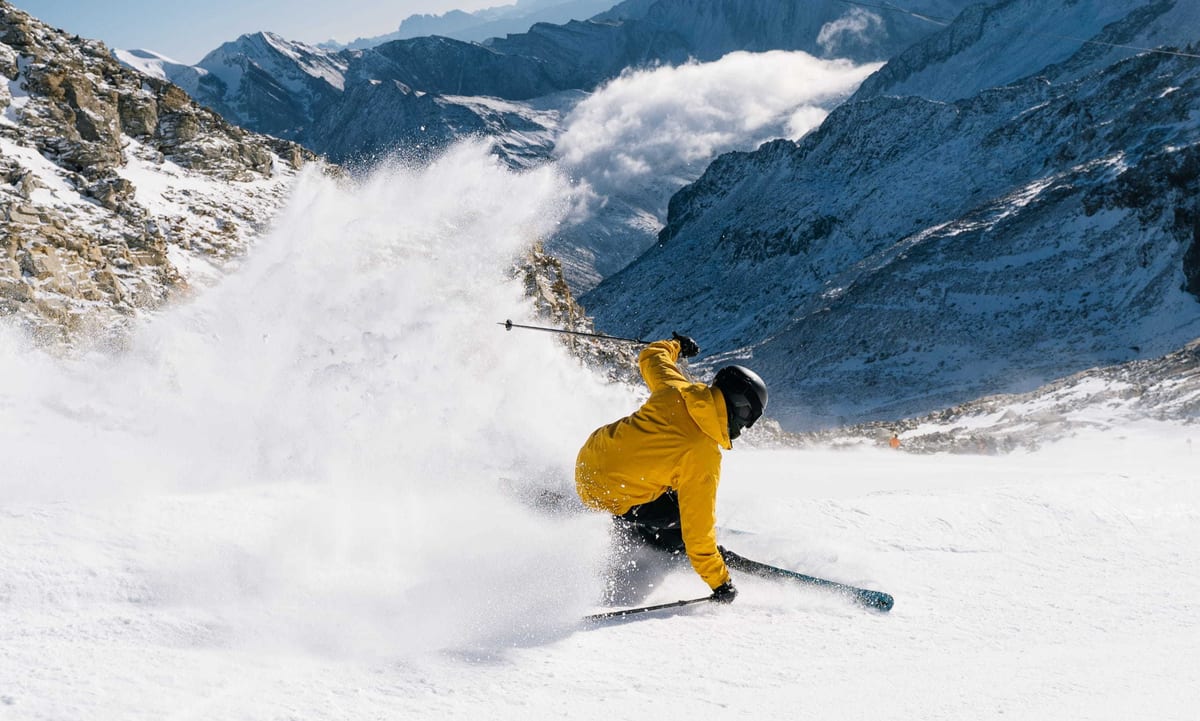
It’s scary to leave your comfort zone, but that’s where improvement starts.
How to change it:
1. Start every ski day with a clear task.
For example: Today I’m going to carve steeper slopes until I reach the point where I can no longer hold good turns safely. If you imagine your turns like a clock, that might mean aiming for a clean arc from roughly 1 to 5 o’clock.
2. Find the balance between challenge and skill
You want to ski in that narrow channel where things feel hard but still controllable. To stay there, only change one variable at a time.
- Speed (Rather low down the hill but fast across the hill)
- Steepness
- Edge Angles
- Radius
- Arc-Length
- Equipment (Open boots, different skis, single leg skiing etc)
3. Ski with Immediate Feedback
Pay close attention to how your body actually moves during the turn.
Feel the specific part of the turn where your body is at: where you are at the start, through the fall line, and out of the turn.
Carv Tip
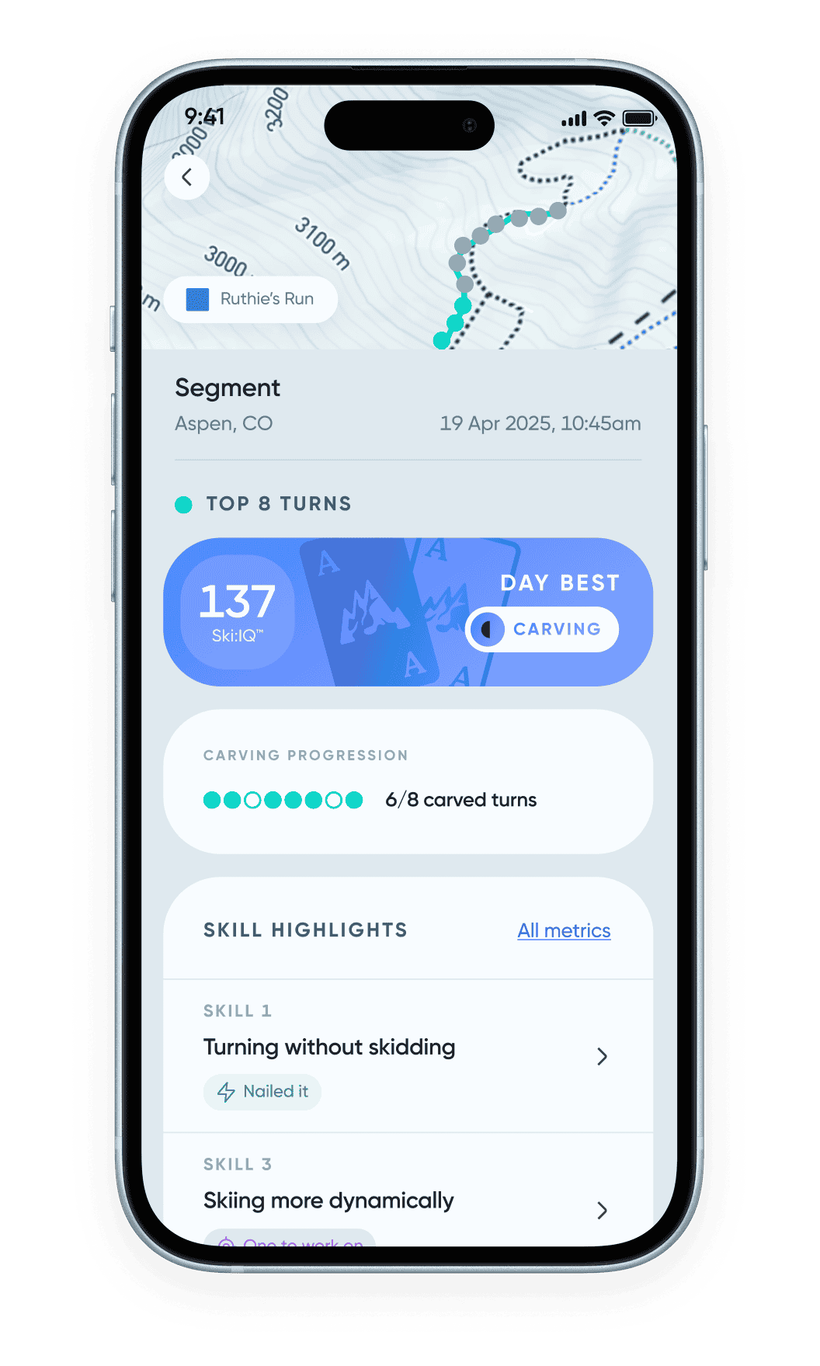
If you’re using Carv, listen to the audio feedback on each run and connect it to what you just felt in your body.
The goal isn’t numbers. It’s learning to link sensation with outcome.
2. You’re turning upside down
One of my biggest breakthroughs was realising I was turning my skis from the wrong end of my body. I call it upside-down turning. It’s when everything starts from the upper body instead of the feet. It makes it really hard to find flow.
Proper turning starts from the feet and ankles. When you’re really standing on your feet, you can feel pressure move under the soles, and a simple ankle roll naturally brings the knees, legs, and hips with it. The whole body follows. Once that clicks, turn initiation becomes cleaner, more accurate, and far less forced.
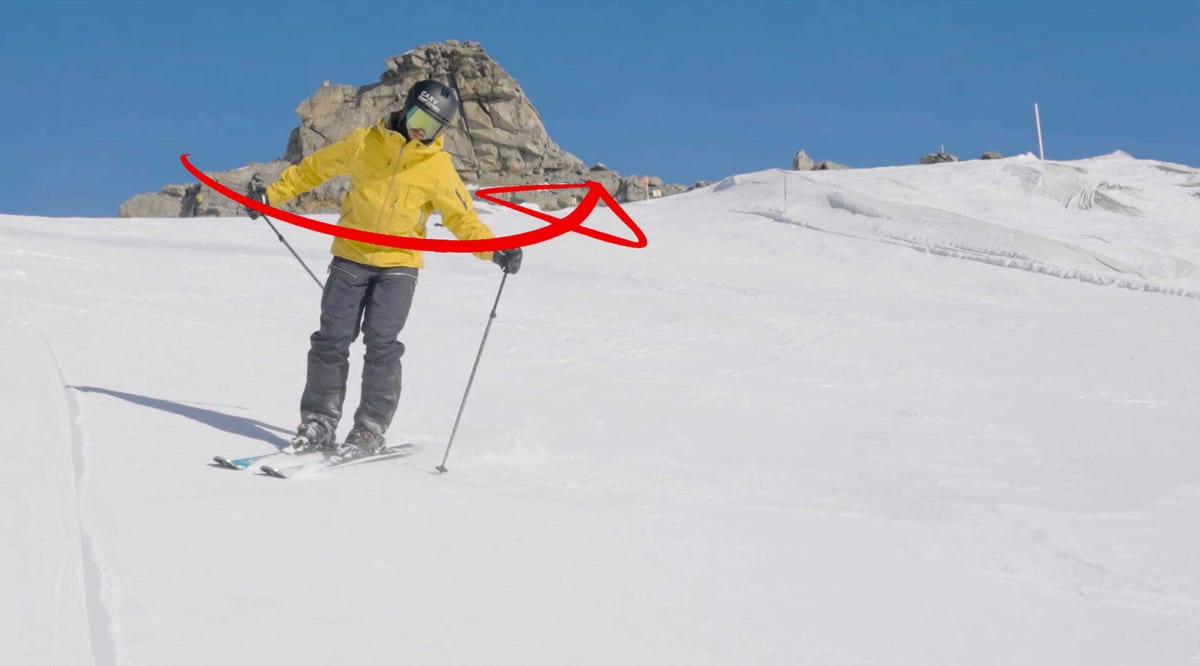
The simplest and most effective way I’ve found to fix upside-down turning is skiing with your boots open.
- Leave the buckles attached but open.
- Keep the booster strap loose, and start slow.
- You’ll immediately feel when you’re not centred over your feet. There’s nowhere to hide.
Begin with easy, skidded parallel turns. Then gradually increase the challenge: quicker turn rates, steeper terrain. If you really want to expose bad habits, try skiing on one leg with open boots. Good luck, it’s brutally effective.
Carv Tip
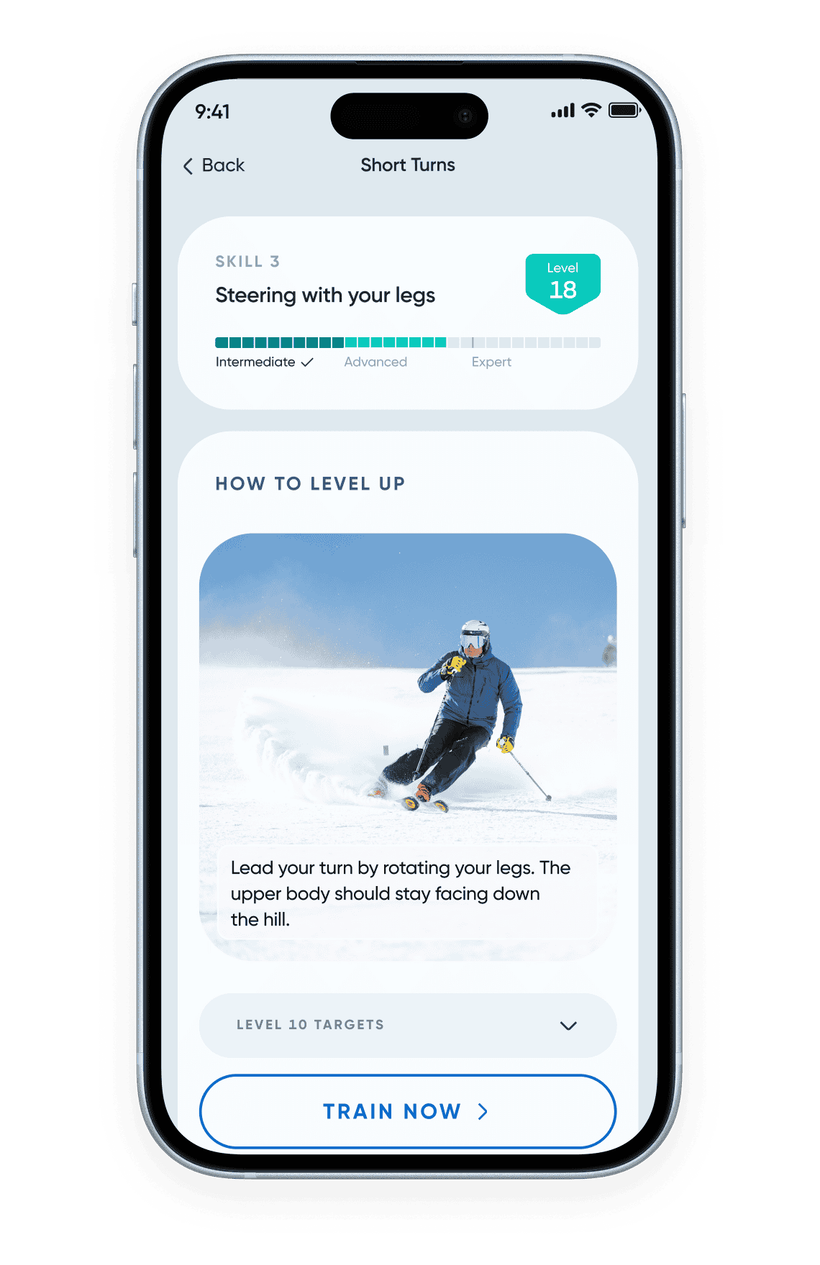
If you’re a Carv user, you can work on this skill with the ‘Steering with your legs’ skill in the Short Turns coaching pathway.
This skill looks at how well you lead the turn by rotating the legs, measuring things like turn corridor and rotation rate.
The aim is to turn with your legs and keep the upper body facing down the hill.
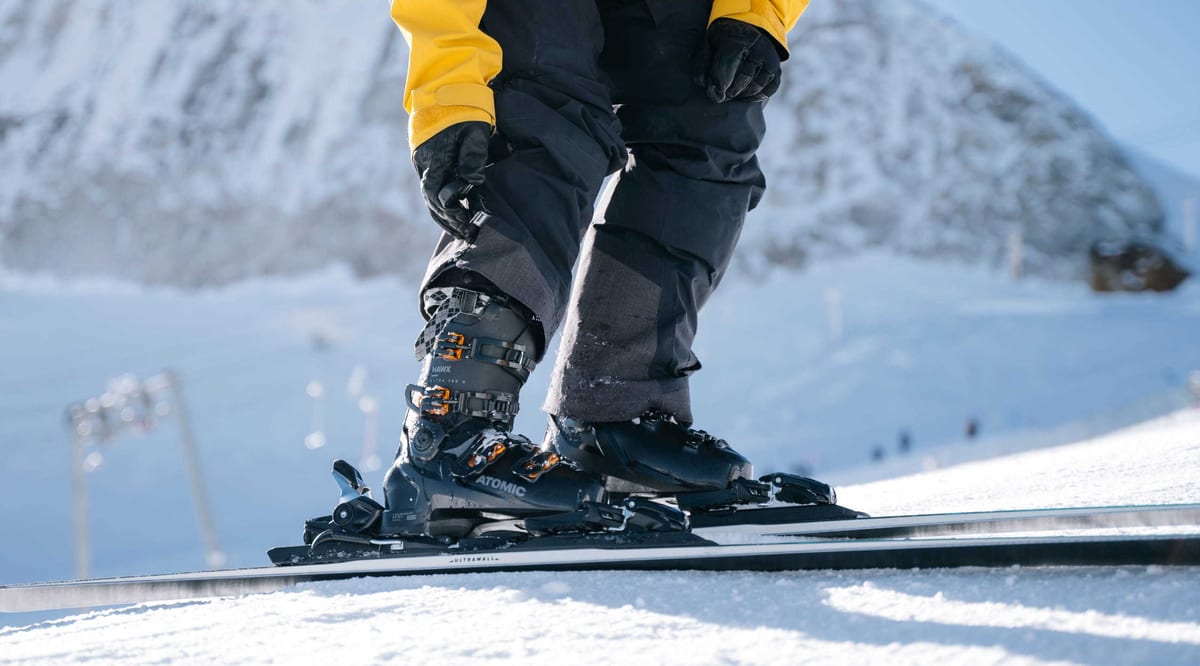
Your equipment isn’t just gear, it’s an extension of your body. And if it’s not working for you, it will work against you.
I learned this the hard way with badly fitting boots. They caused discomfort, killed control, and forced me into all kinds of compensatory movements without me even realising it. Dull edges did the same thing. When I couldn’t trust my outside ski to grip on firm snow, I started skiing with an A-frame just to stay upright.
No amount of “better technique” fixes that. If your boots don’t fit or your edges don’t bite, you’re fighting your equipment every turn.
Investing in properly fitted boots and keeping your skis tuned isn’t optional if you want to improve. It’s the foundation everything else sits on.
Ski equipment priorities
- Well-fitting boots → go to a proper boot fitter
- Sharp edges → take them to a shop or learn to tune them yourself
- Ski choice → for learning to carve well, a ski around a 16m radius is ideal
- Reality check → don’t blame the equipment… unless it actually deserves it (looking at you, 20-year-old me)
4. Your posture is bad
Being back-seated on your skis is a balance killer and a destroyer of fun. It severely limits your ability to control your skis and drains your energy.
My favourite way to improve posture is with drills that are almost impossible to do if you’re back-seated. They force the issue, meaning you either fail, or you ski with an athletic, balanced stance.
Focus on forward pressure and engaging your core, and you’ll find more stability and responsiveness than you probably expect.
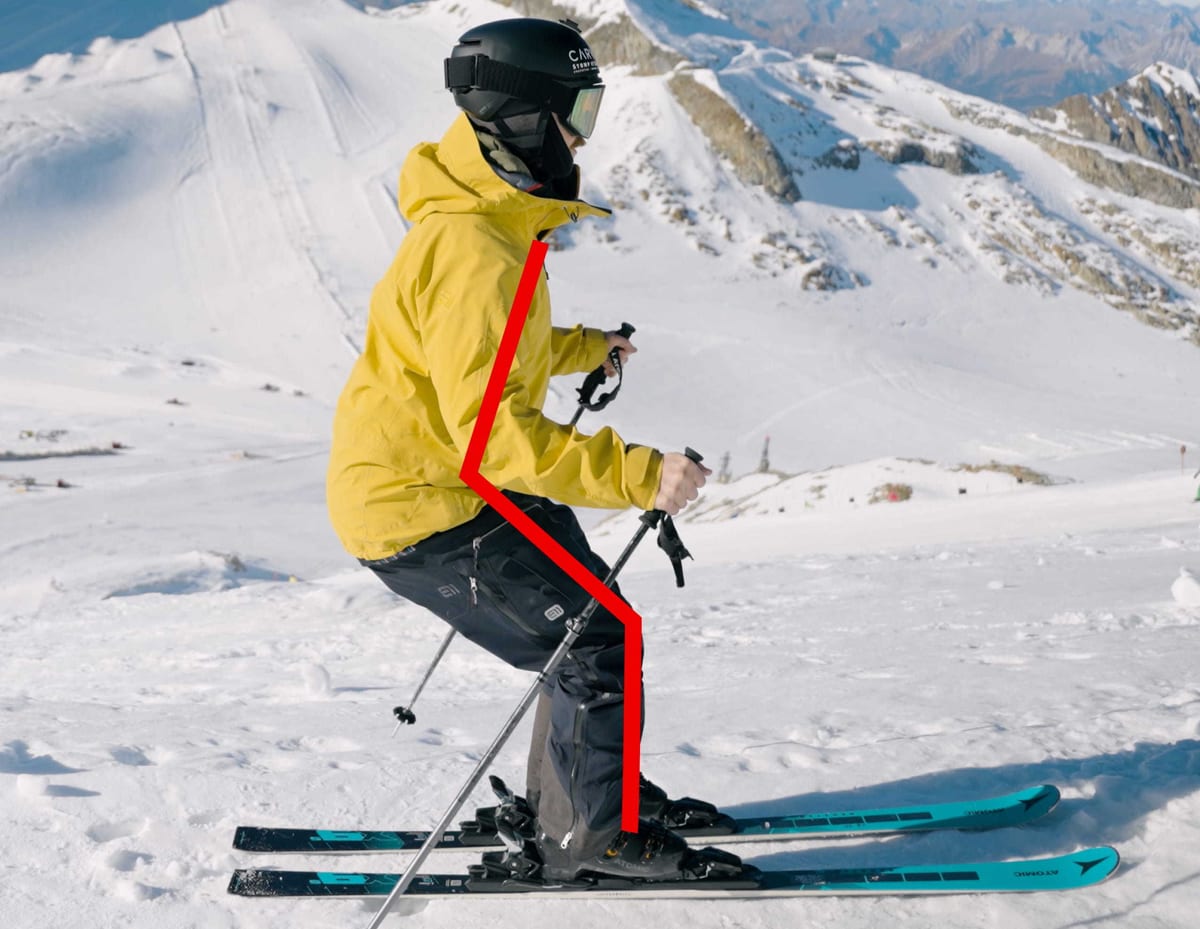
Try these to test whether you’re in the backseat.
Almost impossible to do drills if you’re backseated
- Almost one-leg skiing
- One-leg skiing (javelin turns)
- One-ski skiing (leave a ski at the bottom - no choice but to commit!)
The main tip to pull off one-leg skiing or carving is to jump in place while standing still before you start, just to centre your posture.
Ski slowly at first. Keep your arms forward and let your poles drag lightly in the snow like training wheels.
When you lift the inside ski, let the tip drag in the snow. This cue is often key for skiers who struggle with posture.
5. Your turn shape is wrong
This kind of skiing is hard work. You won’t do it all day, and you shouldn’t try to. Save it for moments when you have the strength to really go for it, then ease in and out of these more demanding turns.
Ugly turn shapes
- Too large a radius (30m turns on a 15m radius ski)
- Too long an arc length (12–6pm)
- Too short an arc length (2–4pm)
- Sweet spot ≈ 1–5pm
A great way to explore this is the hourglass-funnel drill. Start by skiing turns that are too big, with a long arc length. Then make them progressively smaller and tighter by increasing edge angles and shortening the arc.
From there, open the turns back up again until you find a shape that feels just right. Pay attention to where pressure builds and how the turn feels — that’s where the learning is.
Carv Tip
If you’re a Carv user, you can take a look back at your turn shape and radius on your previous runs.
What’s your average radius? How does this change after your practice the drills?
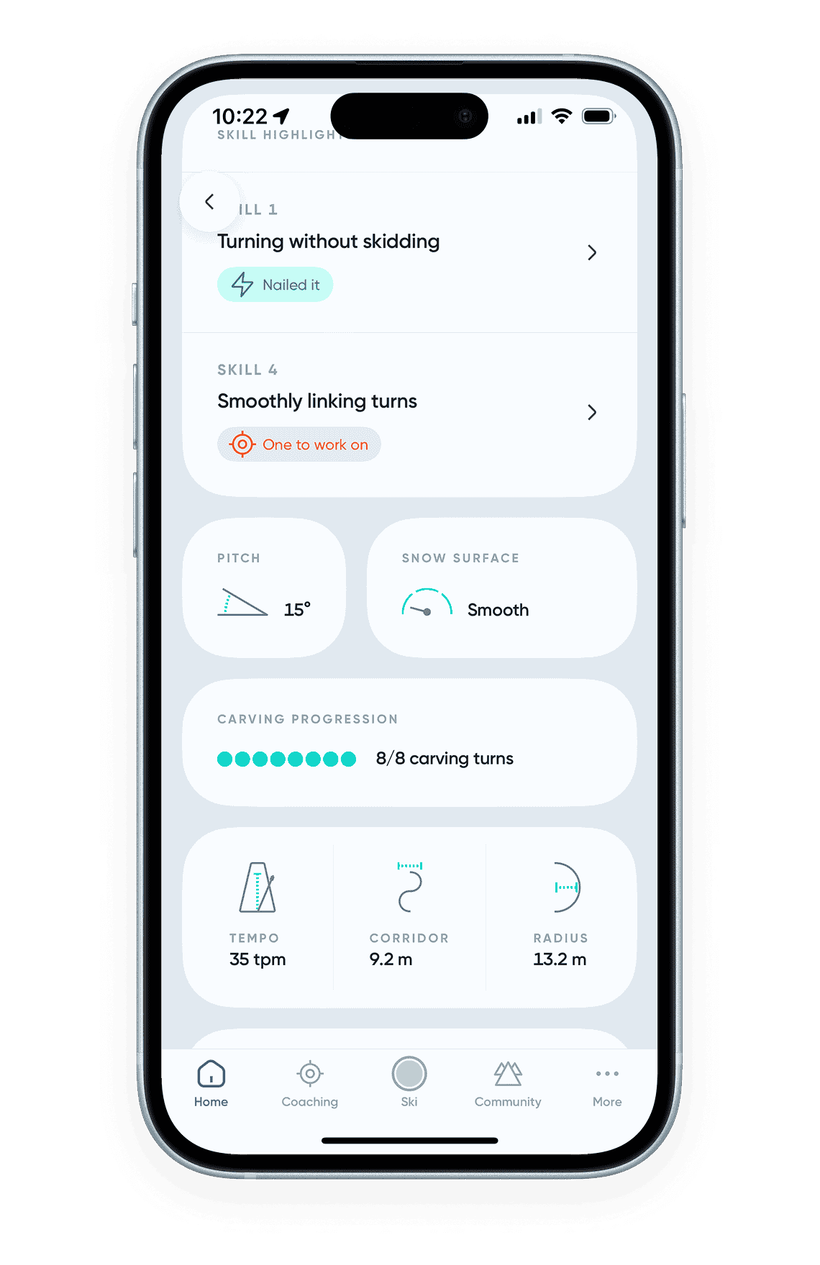
None of this is about skiing harder or chasing perfection. It’s about choosing the right challenges, paying attention, and being honest with yourself on snow. Do that consistently, and improvement takes care of itself.
Thank you, I hope you learned a thing or two.
Level Up Your Skiing with Carv at Stomp It Camps
At Stomp It Camps, we use Carv as a key training tool to help you take your skiing to the next level in the stunning Swiss Alps. Every turn, drill, and run is recorded to get data-driven insights that accelerate your progress.
Exclusive Offer for Carv Skiers
- Use code CARV2026 to save 100 CHF on any Stomp It Camp booking.
- Valid until February 28th, 2026.
Written by: Stomp It Tutorials
Ski technique and freestyle camps
Stomp It Tutorials lead in-person technique camps in Zermatt and Laax, Switzerland, where they combine Carv's objective analysis with in-person coaching to push your skiing technique to the next level.